

Powders & granules
Accurate dosing for powders, granules and dry blends.
Application-led copy makes the site commercially stronger and helps search engines understand how the machinery fits real product types and pack formats.
Lancing Combiweigh machinery can be positioned around practical product applications, from powders and pellets through to snacks, dry foods, hardware and integrated packaging projects.
Accurate dosing for powders, granules and dry blends.
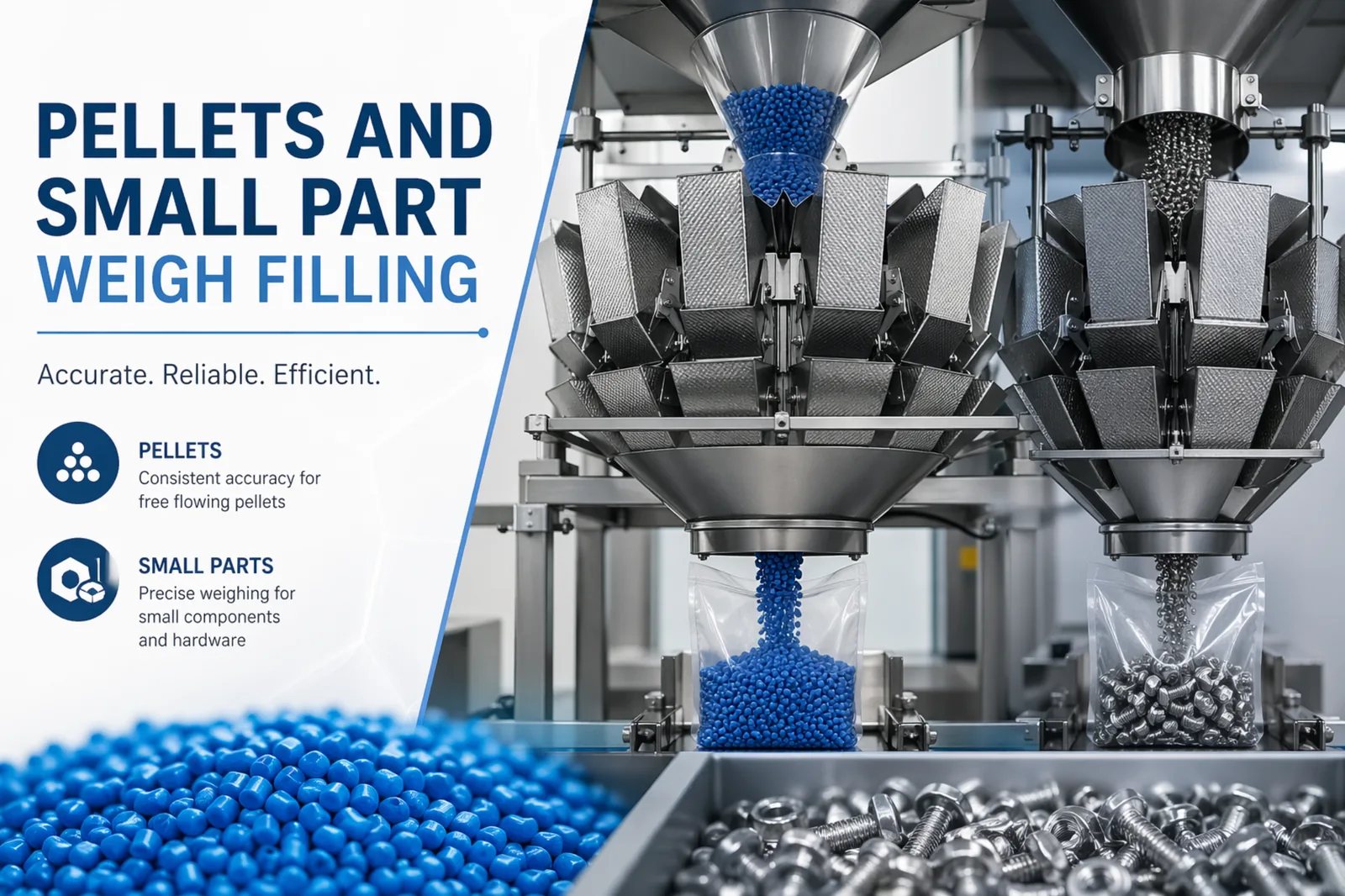
Consistent weighing for pellets, hardware and free-flowing components.

Flexible weighing and pack handling for snack foods, treats and pet food products.
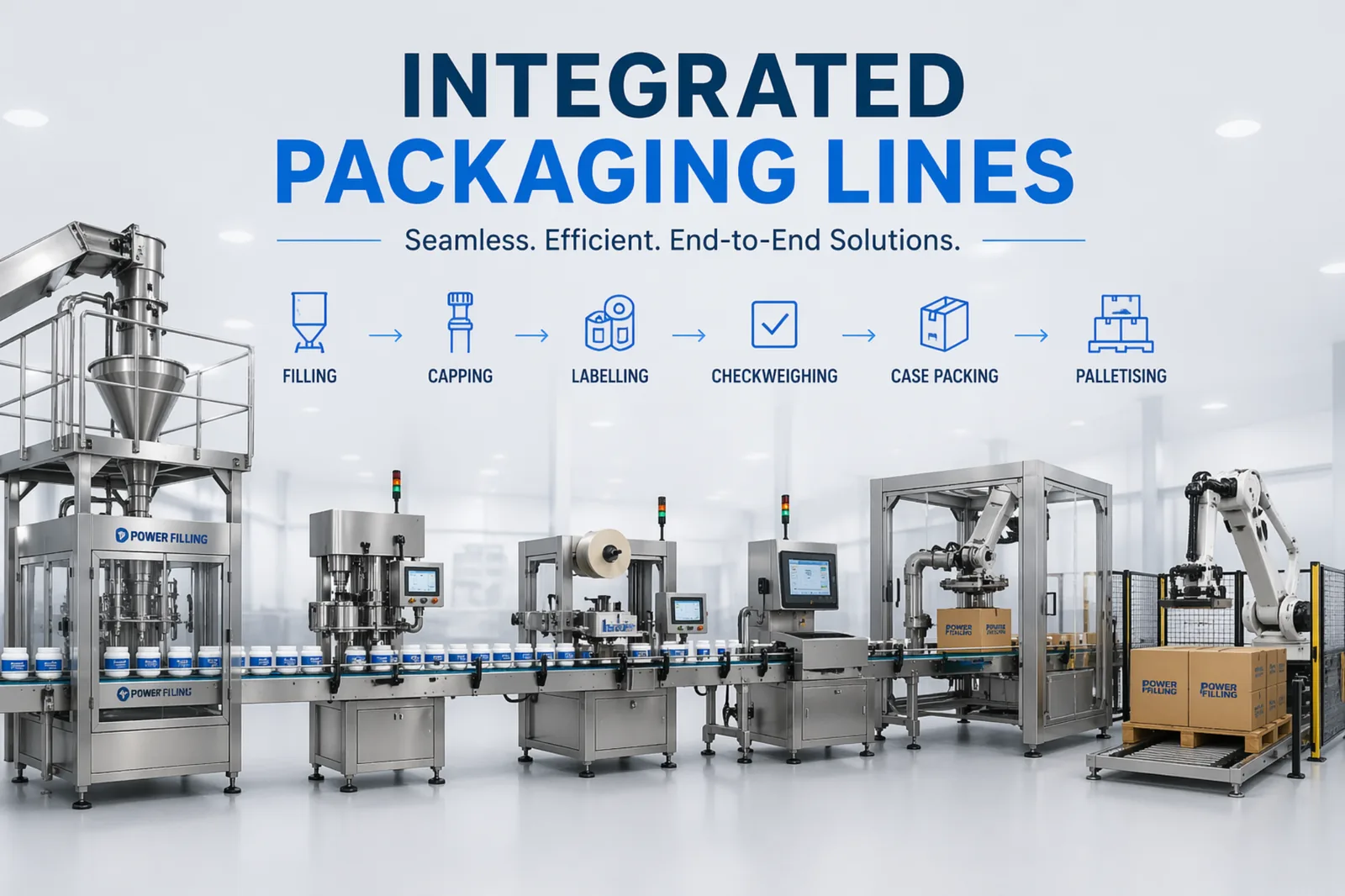
End-to-end filling, capping, labelling and packaging line integration support.

Clean, repeatable filling for beans, tea, grains, nuts and other dry food products.

Reliable weighing for industrial powders, additives and hardware-related fill applications.
A product name is not enough to select the machine. Flow, size distribution, surface condition, fragility and the way the product reaches and leaves the hoppers usually matter more than the market category.
Products with the same name can flow differently because of piece size, moisture, coating, temperature, dust or batch variation. Those differences affect distribution across the feed trays, the portion held in each hopper, retained product and discharge behaviour. Machine selection should therefore use a representative sample and the real operating window.
They can change friction and adhesion at every contact surface. Product may move freely when dry but cling after warming, seasoning or thawing. The trial should reproduce the normal temperature and coating condition and should check residue, bridging, release from the hopper and the cleaning method required between products.
A wide size range can produce inconsistent portions and may cause segregation during feeding. Large pieces can obstruct a route selected for smaller material, while fines may move or settle differently. Supply the smallest, largest and typical pieces so feed-tray geometry, hopper volume and drop path can be assessed together.
The calculation principle can be relevant to both, but the machine configuration and risk assessment may differ. Product-contact materials, abrasion, noise, sharp edges, dust, cleaning and containment must be reviewed for the actual application. Hardware or chemical products should not be treated as food applications with only a change of description.
A product category is not a complete specification. Seasonal supply, particle distribution, coating, temperature and refill method can change feeding, weighing and discharge even when the product name and target weight stay the same.
Use normal production material together with the smallest, largest, lightest, densest or most difficult batch reasonably expected. Record why each sample was selected so the agreed application window is clear.
Yes. Oil, seasoning, surface moisture and temperature can change friction, adhesion, product retention and cleaning. Confirm the condition in which product reaches the machine rather than testing only a dry room-temperature sample.
Record the size and weight distribution, segregation during bulk handling, feed consistency and pack-quality requirements. A representative mixed sample should be maintained throughout the trial rather than allowing the larger or denser pieces to separate.
Repeat the trial when product, target, pack, contact surfaces, feed method, software strategy or downstream interface changes materially. The existing result applies only to the conditions that were actually tested.
Application names are useful starting points, but the machine must be selected around the way the real product distributes, settles, breaks, dusts and enters the final pack.
Combination or linear weighing is often compared where individual pieces move consistently through feeders and hoppers. Confirm the product-size range, target weight, pack opening and whether a timing hopper is needed between the weigher and the packaging machine.
Drop height, feed amplitude, hopper geometry and discharge timing can affect breakage and separation. A representative trial should use production product and record both weight results and visible product damage.
Powders may bridge, compact, aerate or contaminate the seal area. In these cases compare the weighing route with specialist auger filling and powder filling options rather than assuming one technology will suit every powder.
The pouch system must open and support the pack before the dose arrives. Pouch width, gusset, zipper, opening area, product fall and seal-zone protection are central to reliable integration. See the specialist Lancing pouch filling route for pouch-owned intent.
A VFFS line combines dosing with film forming and sealing. Confirm film, bag width and length, registration, seal format, target output and the control handshake between the weighing system, timing hopper and bagger. See Form Fill & Seal UK for the specialist bagging route.
Small components can be suitable for weighing when they feed consistently and do not jam the outlet. Check piece dimensions, sharp edges, static, noise, surface wear, pack opening and whether product-contact finishes need to differ from food applications.
Send the product, target weight, tolerance, packaging format and required output. Lancing can then compare the combination-weigher route, the wider machine range and the detailed selection guide before a quotation is prepared.
Start an application enquiryTwo products described by the same industry label can behave very differently in a weighing system. The application review should record the behaviour that changes feeding, combination availability, product damage, cleaning and pack presentation.
Low-density or irregular products may occupy a large volume for a modest target weight. Confirm usable hopper volume, feed stability, product level control and whether pieces bridge across narrow transitions.
Control vibration, number of transfers and total fall height. Record breakage, coating loss and fines as well as weight performance, because an accurate pack with damaged product is not an acceptable result.
Release can change as product builds on contact parts. Compare smooth, dimpled or other application-specific surfaces using the real product and the proposed cleaning method rather than selecting a finish from a generic rule.
Mixtures can segregate during conveying and distribution. Check whether the finished packs retain the intended product mix as well as the correct total weight.
Sharp edges, impact, noise, static and wear may affect the feed and outlet design. Confirm piece dimensions, orientation, pack opening and whether the product can trap in gates or chutes.
Dust can affect movement, cleaning and the downstream seal area. Compare the weighing route with the specialist powder filling or auger filling route where controlled screw dosing is more suitable.
Enough should be supplied to reach stable running, collect a meaningful set of weight results and observe refill, product distribution and normal stops. The required quantity depends on target weight, product volume and planned test duration.
No. The trial should also inspect whether the mix remains representative in each pack or whether different sizes and densities separate before discharge.
No. They can help release in some applications, but the result depends on the product and cleaning requirement. The actual surface should be proven with the intended product.
Measure weight performance and inspect breakage, fines, coating loss and the effect of drop height through the complete line.
Product category is only the starting point. Piece size, bulk density, fragility, surface condition, dust, pack opening and required output all influence the most suitable weighing and packing arrangement.
Choose between free-flowing weighing routes and controlled powder dosing.
Assess hard, free-flowing products by size, bounce, nesting and pack opening.
Reduce product damage and control discharge into bags or pouches.
Separate bean, leaf, grain and powder applications before selecting the dosing method.
Plan industrial dry-product handling around dust, abrasion, safety data and component flow.
Coordinate product feed, weighing, timing hopper, pack-ready signals and fault recovery.