
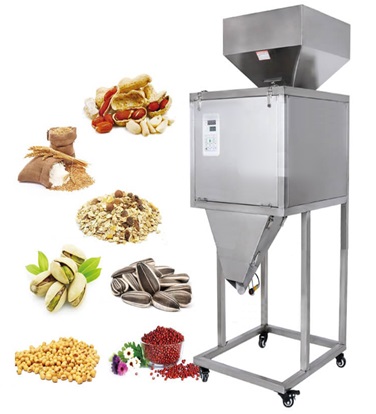
Combination weighing
Combi weighers
Multi-head and combination weighing for pellets, granules, snacks, dry foods and other free-flowing products.
Open machine pageFive core machine pages cover compact weigh fillers, larger digital particle filling, twin-head weighing and high-range depositing. The site structure is kept simple and descriptive for launch readiness.
Each product page draws on the supplied technical details, but this overview gives buyers a fast commercial comparison before they dive deeper.
Combination weighing
Multi-head and combination weighing for pellets, granules, snacks, dry foods and other free-flowing products.
Open machine page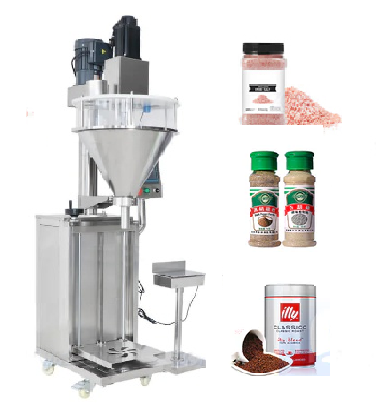
Powder dosing
Controlled screw filling for powders such as spices, coffee, seasonings and fine dry blends.
Open machine page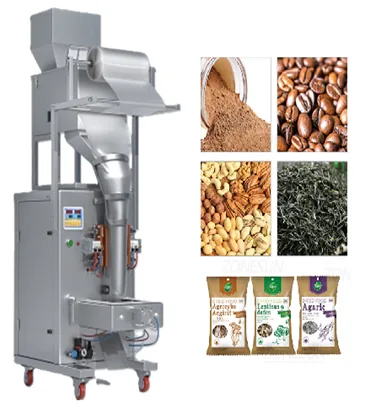
Integrated bagging
Integrated bag-making and filling systems for coffee, powders, granules, nuts, tea and similar dry product lines.
Open machine page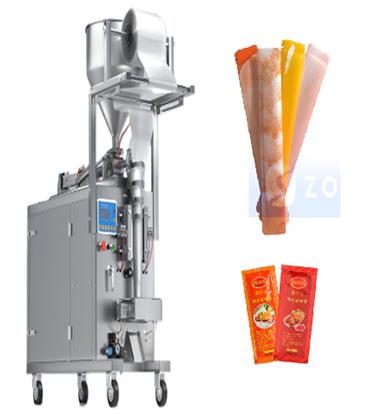
Liquid sachet systems
Compact sachet and stick-pack equipment for liquids, gels and other flowable products requiring neat sealed packs.
Open machine page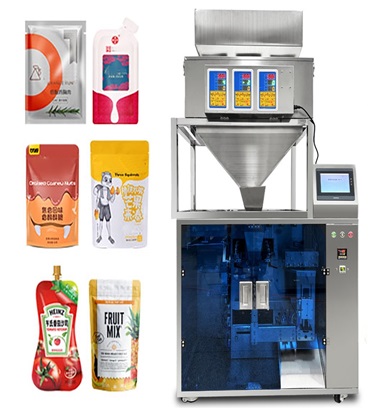
Pre-made pouch handling
Automatic pouch filling and sealing systems for pre-made pouches and stand-up packs across multiple product types.
Open machine page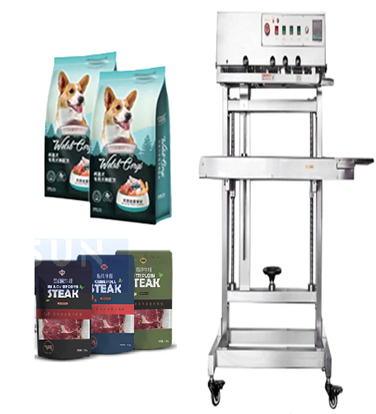
Final seal finishing
Dedicated pouch sealing equipment for finished packs where clean top seals and dependable presentation matter.
Open machine page| Machine | Range | Speed | Accuracy | Pack format | Best for |
|---|---|---|---|---|---|
| Weigh Filling Machine 100 | 5–100 g | Up to 10 packs/min | ±0.5–3 g | Pouches, sachets and jars | Coffee, tea, seeds, sachets and small hardware packs |
| Weigh Filling Machine 500 | 5–500 g | 5–10 packs/min | ±2–6 g | Pouches and jars | Granules, powders, grains, snacks and small parts |
| Weigh Filling Machine 1000 | 20–1000 g | 6–12 packs/min | ±5 g | Pouches, pre-made bags and small line integration | Snacks, pet food, popcorn, beans, seeds and hardware |
| Weigh Depositor Twin Head 5000 | 100–10000 g | 20–30 bags/min | 2–6 g | Bags, jars and container filling with dual-lane dosing | Coffee beans, grains, seeds, snacks, chemicals and hardware |
| Weigh Depositor 10000 | 50–9999 g | 5–10 packs/min | ±6 g | Pouches, sachets, jars and container fills | Powders, grains, seeds, spices, chemicals and hardware parts |
Product type, flowability and whether you are filling powders, granules, seeds, snacks or hardware.
Required fill weight, acceptable tolerance and pack size.
Pouch, jar, sachet, pre-made bag or downstream machine connection.
Target packs per minute, workspace limits and discharge height requirements.
The company information supplied with the project references filling, capping, labelling and full packaging systems. That wider capability is surfaced here to support higher-value enquiries.
Semi-automatic and automatic product handling for granules, powders and wider filling applications.
Part of the wider Lancing machinery capability referenced in the supplied company information.
Integration support for weighing into form-fill-seal and downstream pack systems.
From compact semi-automatic solutions through to bespoke automated packaging lines.
A useful machine comparison keeps the product, target, pack, test method and line interfaces constant. These questions help prevent a headline specification from being compared with a different operating condition.
Compare them with the same representative product, target weight, pack opening and acceptance method. Record sustained finished-pack output, weight distribution, giveaway, visible product damage, waiting time and recovery after normal stops. A configuration that performs well on an easy sample may not represent normal production variation.
The quotation should identify the proposed weighing configuration, product-contact arrangement, feed and discharge scope, controls interface, access assumptions and the product and pack conditions used for the recommendation. It should also distinguish supplied equipment from customer-supplied upstream or downstream machinery and state what still requires a trial.
Yes, where they form one installed system. Working height, safe access, cleaning access, product feed, discharge route and the position of the bagger or pouch machine can alter the practical layout. Treating the frame as a late addition can create avoidable drop-height, maintenance and operator-access problems.
Sustainable output is the finished-pack rate maintained with representative product and normal line conditions, including expected waits, refilling and routine stops. It is more useful than an isolated cycle rate because the upstream feed, weigher, timing hopper, packer, inspection and discharge equipment may each become the limiting stage.
A machine list becomes commercially useful only when every option is assessed with the same product, target weights, pack format, output definition and acceptance method.
The comparison page consolidates the figures already published in the current model pages and keeps approximate, typical and product-dependent wording intact.
Use product flow, aeration, bulk density, piece size, dust, target weight and pack opening to choose the trial route rather than selecting from the product name alone.
Working height, support, access, feed route, discharge path, utilities and control interfaces can rule out an otherwise suitable configuration.
Identify the exact installed configuration, product-contact parts, critical production items, documentation and support boundary before comparing lifetime scope.
Read the weigh filling machine guide for a practical comparison of combi weighers, auger filling, VFFS, liquid form fill and seal, pouch filling and pouch sealing.
The same pack weight can require very different machinery depending on whether the product is a fine powder, a free-flowing granule, a fragile snack, a liquid or a pre-made pouch application.
| Route | Best starting point | Details that decide the specification | Related Lancing route |
|---|---|---|---|
| Combination / multihead weighing | Free-flowing snacks, pellets, granules and small components | Piece size, fragility, target weight, giveaway, head count, hopper volume and discharge timing | Weigh Fillers UK |
| Auger filling integration | Fine powders and products requiring controlled screw dosing | Bulk density, bridging, dust, screw tooling, hopper agitation, fill opening and cleaning | Auger Fillers UK |
| VFFS integration | Roll-film bags formed, filled and sealed in one vertical process | Product feed, bag dimensions, film, registration, seal style, drop height and signal exchange | Form Fill & Seal UK |
| Pre-made pouch filling | Finished pouch formats where opening, presentation and sealing are central | Pouch material, zipper or gusset, opening control, product drop, seal-zone cleanliness and discharge | Pouch Fillers UK |
For combination weighing, the proposal should identify the head count, hopper volume, target weight range, product-size window, contact-surface requirement, discharge arrangement and intended packaging interface. Accuracy and speed should be tied to the product sample, target weight, operating mode and pack route used during the trial. Unknown values should remain to be confirmed rather than being assumed.
For a trial, record the product batch, machine settings, number of cycles, mean pack weight, minimum and maximum readings, product giveaway, visible damage, rejects, stoppages and cleaning or changeover observations. This produces evidence that can be compared with the agreed acceptance criteria.
Brochure figures are only comparable when the product, target weight, pack format, sample method and downstream cycle are the same. The table below sets out the evidence that should remain consistent when combination weighing, linear weighing or specialist filling technologies are compared.
| Decision area | Evidence to hold constant | What to verify on the combination-weigher route | When another specialist route may be stronger |
|---|---|---|---|
| Product movement | Representative batch, piece-size range, coatings, dust and temperature | Distribution across the dispersion system, feed trays and weigh hoppers | Fine or cohesive powders may require specialist auger dosing |
| Weight control | Target, tolerance, cycle count and measurement method | Mean weight, spread, giveaway, rejects and usable hopper population | Very small or slow-changing batches may suit a linear or semi-automatic route |
| Output | Complete pack cycle rather than an isolated weigh cycle | Product feed, combination time, timing hopper and discharge recovery | The VFFS or pouch machine can become the limiting stage |
| Pack quality | Production pouch, film, jar or container | Drop height, opening alignment, settling and product clear of the seal area | Specialist pouch or film-handling pages should own the pack-machine detail |
| Changeover | Agreed product-to-product or pack-to-pack change | Recipe, contact parts, access, cleaning method and first acceptable pack | High-allergen, wet-clean or difficult-powder duties may need a different design basis |
A fast weighing head does not create a fast line if product feed, pouch opening, bag forming, sealing, coding, inspection or finished-pack discharge cannot keep pace. The factory acceptance trial should identify the actual bottleneck and the recovery behaviour after product starvation, a missing pack or a downstream stop.
For specialist detail, use the relevant Lancing routes for auger powder filling, form fill and seal machinery and pre-made pouch filling.
No. Head count affects the number of portions available to the calculation, but product distribution, hopper volume, piece size, target weight and feeder control still determine whether those heads are usefully populated.
Use the sustained finished-pack rate under the agreed product, target weight and pack conditions. An isolated weigh cycle does not include bag or pouch presentation, sealing, coding, rejects or recovery from normal stops.
Move it when the product is fine, cohesive, aerated or prone to bridging and controlled screw dosing is more appropriate than portioning through weigh hoppers.
A machine shortlist becomes more useful when each option is assessed against the same product sample, target weight, finished-pack requirement, changeover expectation and integration sequence.
Compare the operating principles, product fit and practical limitations of both routes.
Set measurable acceptance criteria for weight, output, pack quality and fault recovery.
Plan access, removable contact parts, product release and safe maintenance activity.
Understand the technical and project choices that change the scope of a quotation.
Work through unstable weights, giveaway, slow output, product damage and discharge issues.
Continue through the complete resource centre by application or engineering question.