
Coffee & tea
Beans, loose‑leaf, sachets.
Compact vibratory weigher for small doses up to ~100 g. Ideal for coffee beans, tea, seeds and similar products.
Beans, loose‑leaf, sachets.
Seeds, small nuts (size permitting).
Small parts and fasteners.
Using the structure already present in the supplied product pages, the site prompts buyers to send better application data from the start.
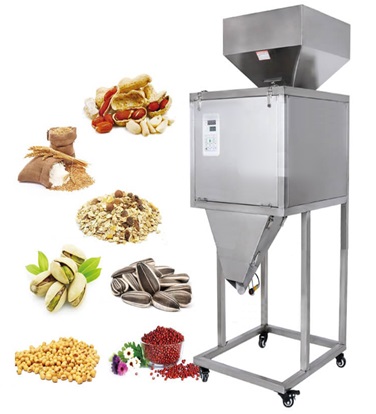
Combination weighing
Multi-head and combination weighing solutions for accurate dry product portioning.
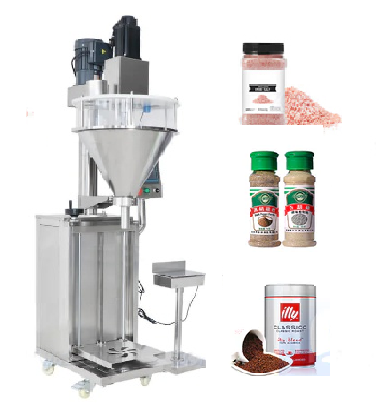
Powder dosing
Controlled screw filling for powders, spices, coffee and fine dry blends.
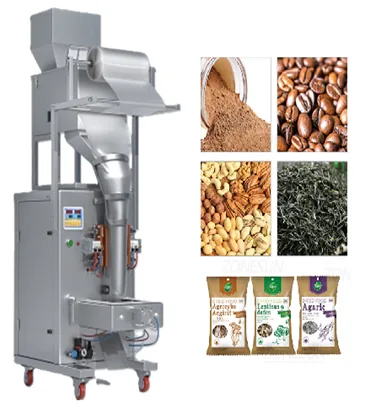
Integrated bagging
Integrated bag-making and filling systems for dry products and free-flowing goods.
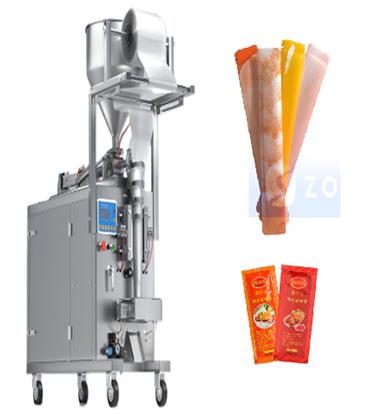
Liquid sachet systems
Compact sachet and stick-pack equipment for liquids, gels and flowable products.
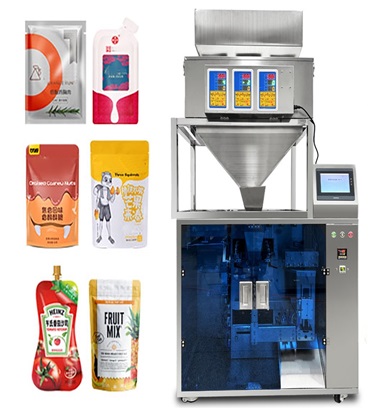
Pre-made pouch handling
Automatic pouch filling and sealing systems for stand-up and pre-made packs.
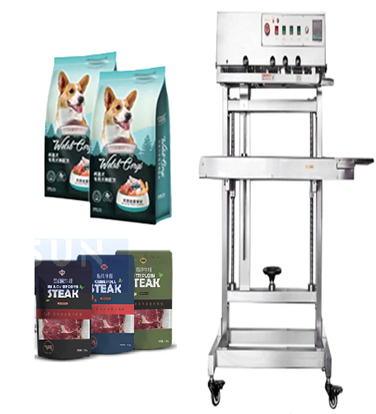
Final seal finishing
Dedicated pouch sealing equipment for finished packs and dependable final presentation.
An auger filler meters product through a rotating screw and associated tooling. The correct arrangement depends on bulk density, aeration, cohesion, dust, hopper refill, agitation where required, target dose, nozzle or outlet, pack opening and the cleaning boundary. Product with the same trade name can need different settings or tooling when the physical behaviour changes.
Powder can settle, aerate or compact during transport and hopper refill. Record the normal operating condition and variation. A trial based on one carefully settled sample may not represent the production process.
The dosing screw, tube, nozzle and any agitation must be selected as one product-contact route. The outlet also has to fit the real pack opening and provide acceptable cut-off without contaminating the closure or seal area.
Refill can change product condition and the amount of material above the screw. Define the refill signal, feeder response, product-level window and what happens if the hopper is starved or overfilled.
Dust can affect weight control, operators, sensors, seals and housekeeping. The project should identify extraction, containment, cleaning and any material-specific risk assessment before the line layout is fixed.
Record how the hopper, screw, tube, nozzle and agitation parts are removed, inspected, cleaned and refitted. Product retention, allergen or cross-contamination controls may be more important than nominal dosing speed.
Define pack-ready, dose request, dose complete, inhibit and fault signals. For VFFS or pouches, confirm that dust and product are kept clear of the seal area and that the pack is supported through the fill.
If the product flows as separate pieces, pellets or granules, combination weighing may create a stronger portioning route. Use the dedicated multihead weigher versus auger filler guide and compare both technologies with the same product, target, pack and acceptance method.
Include bulk-density variation if known, dust, current refill method, required output, cleaning needs and representative product.
Request an auger-filling reviewAuger filling is normally compared for fine powders and some cohesive products where controlled screw dosing is more suitable than free-flowing hopper combinations.
Bulk density, aeration, dust, bridging, compaction and settling can all change the selected screw, hopper agitation and fill-head arrangement. The same product name can behave differently between suppliers or batches, so a representative sample is needed before accuracy and output are agreed.
Confirm the jar, bottle, tub, pouch or bag opening, the available filling height, dust control, settling time and the downstream closing or sealing process. Where roll film is used, compare an auger-fed VFFS route rather than treating the filler and bagger separately.
Plan access to the hopper, screw and product-contact parts, and identify whether cross-contamination, allergen control or frequent flavour changes affect the required design. Changeover evidence should include tooling replacement, cleaning access and the process for restoring the correct settings.
This Combiweigh page explains how powder dosing connects to the wider machinery range. Detailed auger-machine selection belongs on the specialist Auger Fillers UK site, while broader powder routes are covered by Powder Fillers UK.
Compare auger filling for fine or cohesive powders and combination weighing for free-flowing granules, pellets and pieces. A sample trial is the safest way to confirm borderline products.
Powder flow, bulk density, screw tooling, hopper condition, target dose, refill control and the pack presentation all affect repeatability.
Yes, provided dosing, bag forming, dust management, seal-zone protection and control timing are planned as one integrated system.
Record screw or tooling replacement, cleaning access, retained product, setup confirmation and the first acceptable fills after restart.
Send the powder, fill-weight range, pack dimensions, required output, accuracy target, dust or cleaning constraints and any downstream sealing, capping or labelling requirement.
Fine, aerated or cohesive powders can require a controlled auger route, while free-flowing granules and pieces may suit weighing. A representative sample is needed to confirm flow, refill behaviour, dust and repeatability.
Compare the main routes by flowability, bulk density, dust and target weight.
Understand which weighing principle suits stable free-flowing products.
Use one trial method to compare dosing repeatability and packing-line behaviour.