
Coffee & tea
Beans, loose‑leaf, sachets.
Compact vibratory weigher for small doses up to ~100 g. Ideal for coffee beans, tea, seeds and similar products.
Beans, loose‑leaf, sachets.
Seeds, small nuts (size permitting).
Small parts and fasteners.
Using the structure already present in the supplied product pages, the site prompts buyers to send better application data from the start.
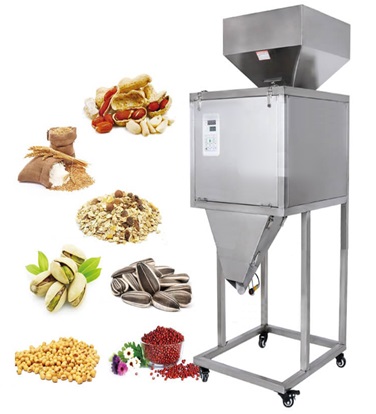
Combination weighing
Multi-head and combination weighing solutions for accurate dry product portioning.
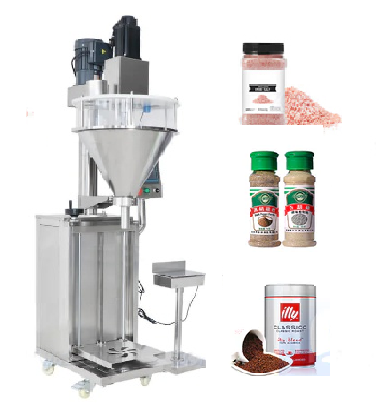
Powder dosing
Controlled screw filling for powders, spices, coffee and fine dry blends.
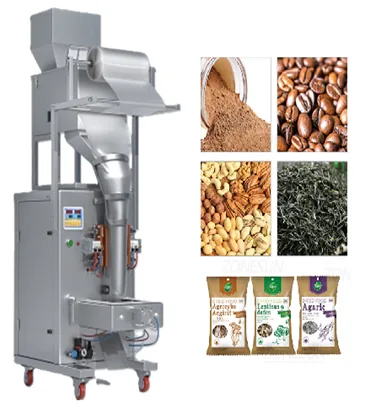
Integrated bagging
Integrated bag-making and filling systems for dry products and free-flowing goods.
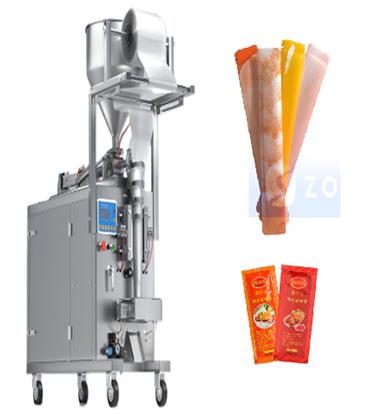
Liquid sachet systems
Compact sachet and stick-pack equipment for liquids, gels and flowable products.
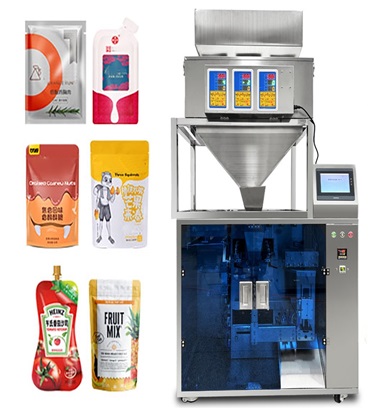
Pre-made pouch handling
Automatic pouch filling and sealing systems for stand-up and pre-made packs.
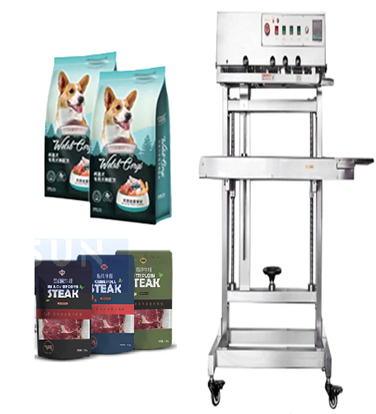
Final seal finishing
Dedicated pouch sealing equipment for finished packs and dependable final presentation.
The weighed dose is only one part of a successful pouch cycle. The pouch must be present, open, correctly positioned and able to receive the product without contaminating the seal area.
The pouch machine should positively confirm the required pouch state before requesting or accepting a dose. The exact sensor and sequence depend on the machine, but the control logic should prevent discharge when the pouch is missing, unopened or incorrectly positioned. That interlock should be demonstrated during the FAT.
The cycle may need enough dwell time and pouch support for the product to move below the seal zone before closure. Irregular or light products can bridge at the mouth or remain high in the pouch. The trial should use the real pouch, target weight and intended line rate and should inspect the final seal area.
The usable opening controls the chute clearance and the margin available for product flow. A nominal pouch width does not show the actual opening after grippers, gussets and material stiffness are considered. The final pouch sample should be measured and trialled rather than selecting the chute from catalogue dimensions alone.
Seal-zone control starts with accurate pouch opening, a suitable chute, controlled dose release and enough settling time. Dust, bounce, fines and static may require application-specific containment or extraction. The acceptance test should inspect seals after normal running, restarts and the most difficult product condition.
Pouch dimensions alone do not describe stiffness, surface friction, gusset behaviour, zip or spout geometry, seal area or batch variation. Test real pouches with the real product and keep failed examples so the cause can be traced.
Include the smallest, largest and most difficult format, plus expected material or feature variations. If one setup is expected to handle several pouches, each changeover and restart should be demonstrated.
A dose should not be released into a pouch that has not opened correctly. Define how the line detects or prevents that condition and how product is handled when a pouch fault occurs.
Confirm the chute position, product drop, headspace, product settling and seal-area clearance. Light, dusty or bouncy products can behave differently from the same target weight of dense granules.
Record change parts, settings, adjustments, first-good-pack time, rejected pouches, fill position, seal result and restart behaviour. Link the result to the actual pouch and product batch.
A combination weigher can feed a pre-made pouch system when the pouch is opened, supported and ready before the dose is released.
Confirm width, height, gusset, zipper, spout, tear notch, material and seal area. Small differences in pouch stiffness or opening behaviour can affect machine handling.
Match the weigher outlet, timing hopper and chute to the pouch opening. Product size, dust, static, fragility and fall height affect both filling reliability and pack presentation.
The pouch mouth must remain clear after filling. Settling time, dust extraction, gas flushing, top wipe or other specialist steps should be defined where the product can enter the seal zone.
Define the ready, dose-complete, pouch-present and fault signals between machines. During the trial, record weight results, pouch opening failures, spills, seal contamination, finished-pack appearance and any stops caused by product presentation.
The detailed pre-made pouch machine route is owned by Pouch Fillers UK. Use this Combiweigh page for the weighing-head and pouch-machine interface rather than duplicating specialist pouch content.
A pre-made pouch line depends on more than the target weight. Pouch stiffness, gusset shape, zipper position, opening verification, fill height and seal clearance all affect whether the weighed dose can be transferred consistently.
| Cycle state | What must be confirmed | Failure evidence to record |
|---|---|---|
| Pouch picked and presented | One pouch is separated, orientated and held without damage | Double picks, missed picks, skew or pouch marking |
| Opening verified | The mouth is open to the required width and the gusset is correctly formed | Partial opening, zipper interference or unsupported pouch |
| Dose ready | A valid weighed dose is available and inhibited until pouch-ready is confirmed | Waiting time, lost request or untracked dose |
| Product transferred | Chute, timing hopper and drop path suit the pouch opening and product | Spillage, bridging, product damage or pouch collapse |
| Seal area clear | Headspace, settling and product control keep the closure zone clean | Powder, pieces, oil or wrinkles in the seal |
| Finished pouch discharged | The warm seal and pack are supported through cooling, coding and inspection | Distorted seal, poor presentation or downstream jam |
A range of pouches may require different guides, opening settings, chute position, fill timing and settling time. The changeover record should identify the parts and recipe, confirm the first acceptable pouch, and show that seal quality and weight performance remain within the agreed criteria.
Detailed pouch-machine ownership belongs on the specialist Lancing pouch filling site. This page concentrates on the weighing-head, timing-hopper and pouch-machine interface.
Material stiffness, zipper, gusset, surface finish and manufacturing tolerance can change pickup, opening and support. Real samples from the intended supplier should be tested.
It should fit the opened pouch, suit the largest product pieces and control the drop without trapping product or contaminating the seal area.
The control sequence should require a verified pouch-ready signal before release and retain or safely clear the dose if the pouch cycle faults.
Weight data, opening success, spills, product damage, fill height, seal contamination, seal quality, rejects, achieved output and changeover observations.
A reliable pouch cycle requires the pack to be present and open before discharge, enough settling time to clear the seal area and a controlled response when a pouch is missing or rejected.
Define ready, dose, complete, fault and reject signals across the line.
Plan fragile and irregular products around low drops, settling and pouch presentation.
Test the real pouch, product, target weight, seal area and recovery sequence.