
Coffee & tea
Beans, loose‑leaf, sachets.
Compact vibratory weigher for small doses up to ~100 g. Ideal for coffee beans, tea, seeds and similar products.
Beans, loose‑leaf, sachets.
Seeds, small nuts (size permitting).
Small parts and fasteners.
Using the structure already present in the supplied product pages, the site prompts buyers to send better application data from the start.
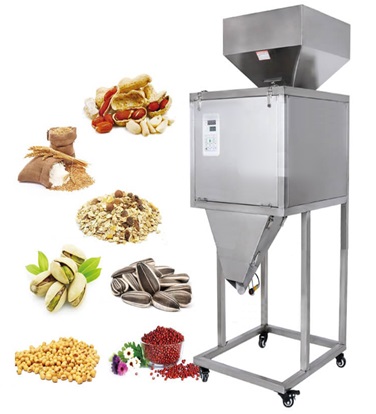
Combination weighing
Multi-head and combination weighing solutions for accurate dry product portioning.
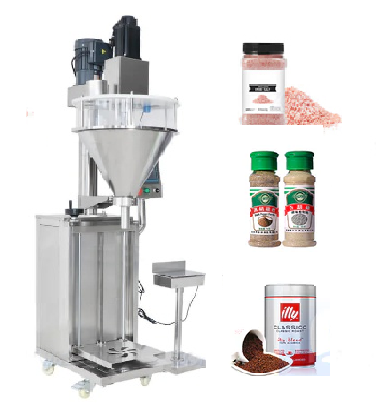
Powder dosing
Controlled screw filling for powders, spices, coffee and fine dry blends.
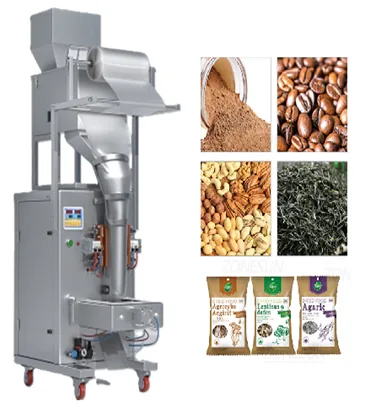
Integrated bagging
Integrated bag-making and filling systems for dry products and free-flowing goods.
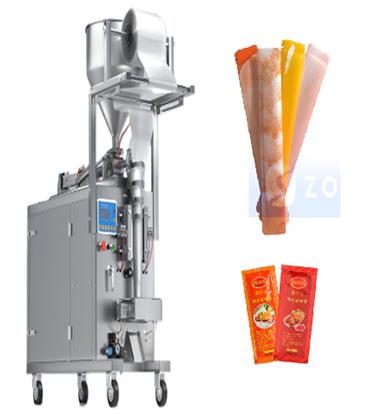
Liquid sachet systems
Compact sachet and stick-pack equipment for liquids, gels and flowable products.
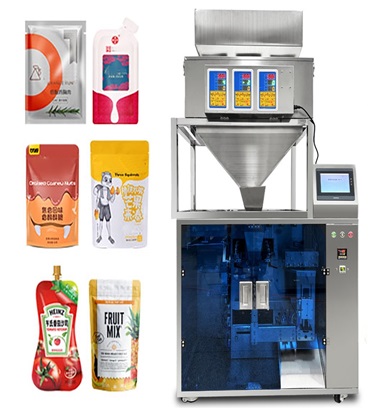
Pre-made pouch handling
Automatic pouch filling and sealing systems for stand-up and pre-made packs.
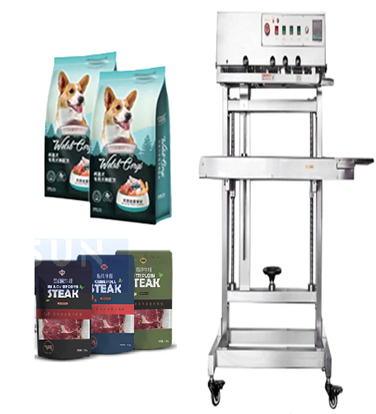
Final seal finishing
Dedicated pouch sealing equipment for finished packs and dependable final presentation.
A pouch can be filled to the correct weight and still fail commercially if product enters the seal area, the pouch is not presented flat, the seal parameters do not suit the laminate, or the pack is handled before the seal has stabilised. The weighing, pouch presentation, filling and sealing stages should therefore be assessed as one process.
| Observed issue | Checks to make | Process boundary |
|---|---|---|
| Product in the seal | Dose timing, chute alignment, scatter, static, pouch opening and settling time | Weigher discharge and pouch handling |
| Wrinkled or incomplete seal | Pouch presentation, gusset/zip geometry, jaw alignment, film construction and trapped air | Pouch transport and sealer setup |
| Seal opens after discharge | Cooling time, pack support, downstream pressure and product temperature | Sealer and outfeed handling |
| Intermittent leak | Seal contamination, parameter history, pouch batch, surface condition and test method | Material, filling and sealing interaction |
| Slow line output | Pouch pickup/opening, fill wait, seal dwell, cooling and outfeed stops | Complete pouch cycle |
Use production-intent pouches from the expected supplier and batch range, including the smallest and largest formats. Provide the complete laminate, zip, gusset, spout or special feature information and the required seal-quality method.
Product can scatter, rebound or remain suspended while the pouch moves to sealing. Piece size, dust, oil, static, drop height and timing determine whether the seal area stays clean. Review the complete product path.
Agree the visual and physical inspection method before the trial. The correct method depends on the pouch, product and commercial requirement. Retain failed examples and the machine state associated with them.
Confirm pouch pickup, opening, fill position, headspace, product settling, seal alignment, coding, inspection and outfeed. Run enough packs to include normal stops and restarts rather than accepting only the first successful cycle.
Include pouch drawings, laminate information, target fill, headspace, seal requirements and the intended upstream dosing method.
Request a pouch sealing reviewThe fill level, pouch presentation and cleanliness of the seal area determine whether the final closure can be made consistently.
Confirm pouch material, seal layer, total thickness, seal width and whether the pack includes a zipper, gusset or other feature near the sealing area. Temperature, pressure, dwell and cooling must be proven on the actual pouch rather than assumed from a generic material description.
Powder, crumbs, oil or oversized pieces in the seal can cause weak or leaking packs. The weighing and filling stage should control the product drop and allow suitable headspace and settling before sealing.
Plan coding, seal inspection, cooling, checkweighing, reject handling and collection. Finished packs should be supported so a warm seal is not distorted immediately after closing.
Detailed pouch-sealer and pouch-format selection belongs on Pouch Fillers UK; this page focuses on how sealing connects to the weighed-product line.
Send empty pouch samples, filled pack examples, material specification, target output, desired seal position and details of any nitrogen flush, vacuum, coding or inspection step.