
Coffee & tea
Beans, loose‑leaf, sachets.
Compact vibratory weigher for small doses up to ~100 g. Ideal for coffee beans, tea, seeds and similar products.
Beans, loose‑leaf, sachets.
Seeds, small nuts (size permitting).
Small parts and fasteners.
Using the structure already present in the supplied product pages, the site prompts buyers to send better application data from the start.
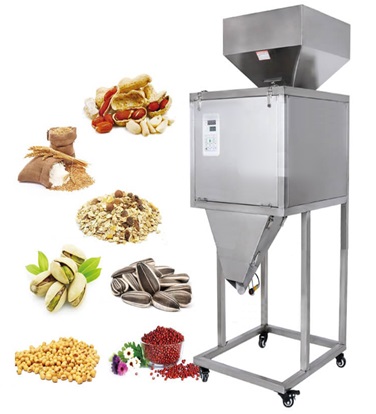
Combination weighing
Multi-head and combination weighing solutions for accurate dry product portioning.
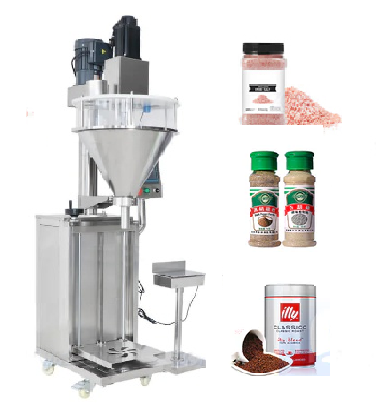
Powder dosing
Controlled screw filling for powders, spices, coffee and fine dry blends.
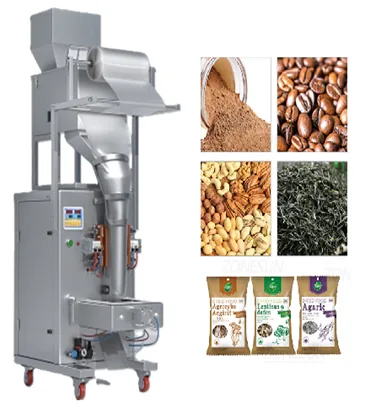
Integrated bagging
Integrated bag-making and filling systems for dry products and free-flowing goods.
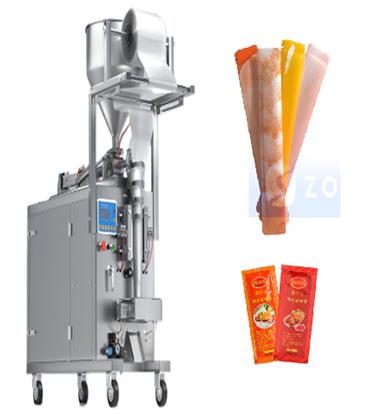
Liquid sachet systems
Compact sachet and stick-pack equipment for liquids, gels and flowable products.
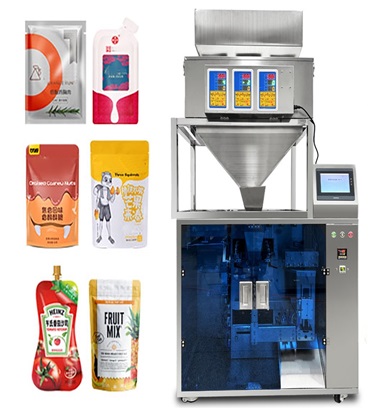
Pre-made pouch handling
Automatic pouch filling and sealing systems for stand-up and pre-made packs.
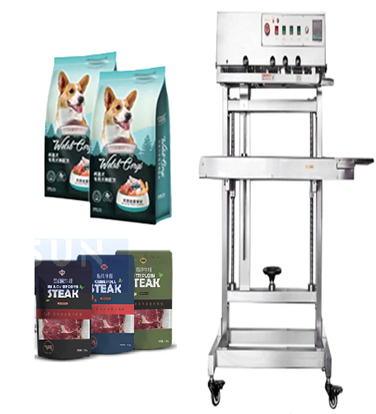
Final seal finishing
Dedicated pouch sealing equipment for finished packs and dependable final presentation.
A reliable line needs an agreed sequence for bagger readiness, dose release, confirmation and fault recovery. The exact signals depend on the equipment, but the operating responsibility of each machine should be clear before the FAT.
It is the agreed exchange of control signals confirming that the bagger can accept a dose and that the weigher or timing hopper has completed the requested discharge. The sequence should prevent release into a missing or unready bag and should define how each machine behaves if the other machine stops during the cycle.
The weighing system should hold or inhibit the dose according to the agreed control design rather than discharging product into an unsafe or unsealed path. The permissible hold time, retained dose condition, restart sequence and operator reset authority should be tested because some products change while waiting.
The dose must enter the formed bag during the available filling window and clear the seal area before the jaws close. Chute geometry, product fall time, bag length, product settling and line speed all affect that window. A clean dry-cycle test is not sufficient where the product falls slowly or rebounds.
Record the machine states, alarm, dose location, pack position, operator action and the first acceptable pack after restart. The test should confirm that a held dose is not duplicated or lost without detection and that product is not released into an absent or partly formed bag.
A multihead weigher and VFFS machine can be individually suitable but difficult to install or operate if the support, working height, film access, product-feed route, cleaning access or signal boundary is unresolved.
Confirm overall height, ceiling clearance, gantry/platform, hopper and tray removal, film-reel access, bagger maintenance, discharge chute and the route used to install major assemblies.
Document product demand, bag ready, dose request, dose complete, inhibit, fault, emergency stop and safe recovery. The functional sequence should state what happens when either machine is unavailable.
Use production-intent film and product to verify stable feeding, weight results, bag presentation, seal-area cleanliness, coding/inspection where fitted, fault recovery and good finished packs over a representative run.
Use the multihead weigher installation and site-preparation guide for utilities, support, access, drawings and handover evidence.
The weighing head can only deliver repeatable production when the product feed, timing hopper, bagger cycle and finished-pack handling are coordinated.
Define the elevator or feed conveyor, product-level control and starvation alarms. Product should reach the weigher consistently without excessive breakage or uncontrolled surges.
The bagger-ready and dose-ready signals, timing hopper, discharge gate and fault states must be agreed. A dose should not be released until the bag is formed and ready to receive product.
Bag width and length, film construction, print registration, seal format and product fall affect the practical output. Dust or product in the seal area can create leaks and should be addressed during trials.
Use production product and the intended film where possible. Record weight variation, giveaway, bag presentation, seal integrity, product damage, stoppages, coding position and finished-pack discharge. Any speed figure should be tied to this complete test setup.
Where the project is primarily a bag-forming or film-handling enquiry, use the specialist Lancing Form Fill & Seal site to avoid duplicating VFFS-owned content on this domain.
It can hold the completed dose until the VFFS machine signals that the formed bag is ready, helping coordinate the two machines.
Product feeding, combination time, bagger cycle, film handling, seal dwell, product fall and downstream discharge can all become the limiting stage.
Control the product drop, dust, filling height and bag timing so product is clear of the seal jaws before the seal cycle.
Review feed amplitude, hopper surfaces, discharge sequence and total fall height, then inspect breakage during the full-line trial.
Yes. Plan coding, checkweighing, metal detection, reject handling and conveyors early so interfaces and floor layout are correct.
The multihead weigher, timing hopper and VFFS machine should operate as one sequence. Each state needs a clear owner so a missing bag, delayed dose or downstream stop does not create a double discharge, unsealed product or an unexplained line reset.
The upstream feed maintains the required product level without surging or starving the weighing head.
The weigher confirms that a valid combination is ready and, where fitted, transfers it into the timing hopper.
The VFFS machine confirms that the film tube or formed bag is correctly positioned and able to receive product.
The timing hopper or weigher discharges once, then confirms completion before another request can be accepted.
Product fall and settling allow the seal jaws to close without pieces, powder or dust contaminating the seal area.
Missing bag, no dose, hopper not empty, downstream stop and emergency-stop recovery are tested without losing track of a completed dose.
List every ready, request, complete, inhibit, alarm and reset signal, including its normal state and the response to a lost signal. The agreed sequence should also cover recipe changes, start-up, product changeover and how residual doses are cleared.
Where the project is primarily about film, bag dimensions, seal systems or bagger format, use the specialist Lancing form fill and seal route. This page remains focused on the multihead-weigher interface.
It can hold a completed dose until the bagger is ready, helping separate the combination cycle from the exact release window required by the bagger.
The limiting stage may be product feed, weighing, bag forming, sealing, coding, inspection or discharge. The complete line should be timed under the intended product and film conditions.
Inspect the real finished bags at the agreed rate, including dusty or irregular product batches, and record contamination, leaks and rejected packs.
The controls should inhibit further release, retain or safely clear any completed dose and restart without double filling or losing the relationship between dose and bag.
The weigher may be capable of a fast dose, but the finished-pack result depends on product feed, timing-hopper release, bagger-ready logic, seal protection, inspection and recovery after a stop.
Map the full sequence from bulk feed through finished-pack discharge.
Record sustained output, bag quality, weight data, faults and restart performance.
Separate weighing delays from product-feed, bagger, seal or downstream bottlenecks.