
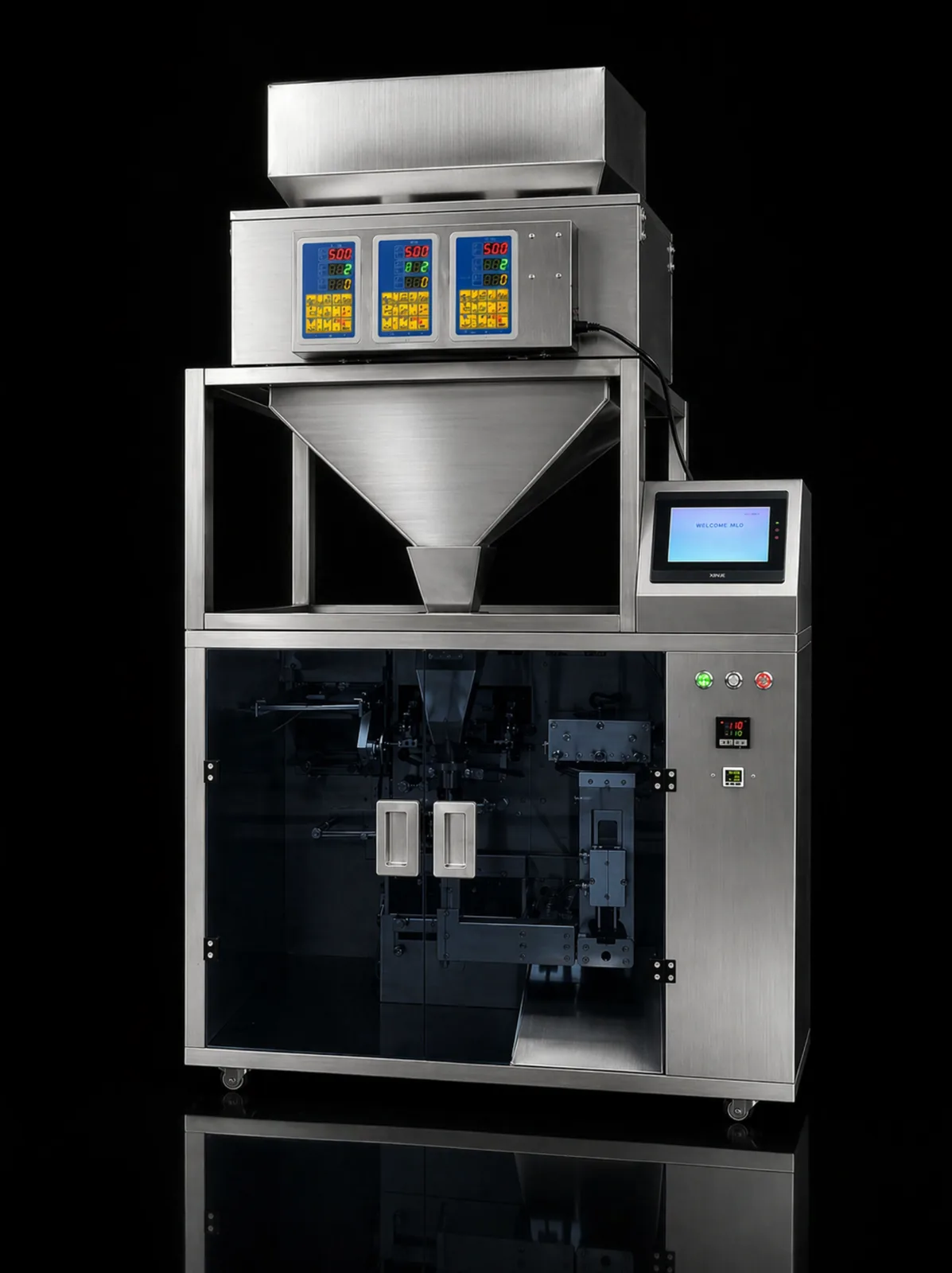
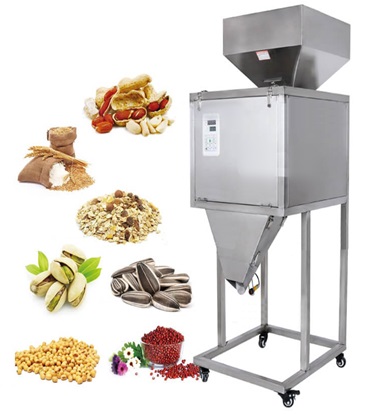
Combi weighers
Combi weighers
Multi-head and combination weighing solutions for accurate portioning of dry products across a wide range of pack sizes.
UK weigh filling machinery supplier for powders, granules, pellets, snacks, coffee, chemicals and hardware. Built on wider Lancing packaging expertise, from compact semi-automatic machines through to integrated line solutions.
Lancing has been specialising in the manufacture of semi-automatic and fully automatic machinery for over 40 years. Our location in the South East of England enables us to cover the whole of the UK. Lancing offers expert advice and supplies high quality UK made equipment throughout Europe and worldwide. We design, supply and install high quality filling, capping, labelling and packaging systems for industrial, commercial and manufacturing applications. Our products range from simple off-the-shelf semi-automatic systems through to bespoke, custom made, automated packaging lines and advanced automation solutions.
For Combiweigh enquiries, that wider engineering background means customers can move from a standalone weigh filler into a more complete project with confidence. We support machine selection around product type, target weight range, output expectations, available footprint, operator workflow and the level of automation required. That makes the website a stronger first point of contact for businesses looking for a dependable route from initial enquiry through to installed packaging machinery.
Whether a customer is filling powders, granules, coffee, snacks, chemicals or other free-flowing products, Lancing can help define a practical starting point and a realistic route to future expansion. The same consultative approach also helps with layout planning, integration with upstream or downstream equipment and the balance between flexibility, output and operator simplicity. This gives buyers a more commercial and technically grounded conversation from the earliest stage of the project.
Alongside supply, Lancing positions itself as a long-term machinery partner rather than only a reseller. That wider capability is important for customers who may begin with a single machine but later need conveyors, bagging, capping, labelling or more complete packaging line support. By bringing that message into the About Lancing section, the page communicates greater depth, stronger engineering credibility and a better sense of continuity between an initial machine enquiry and a broader production solution.
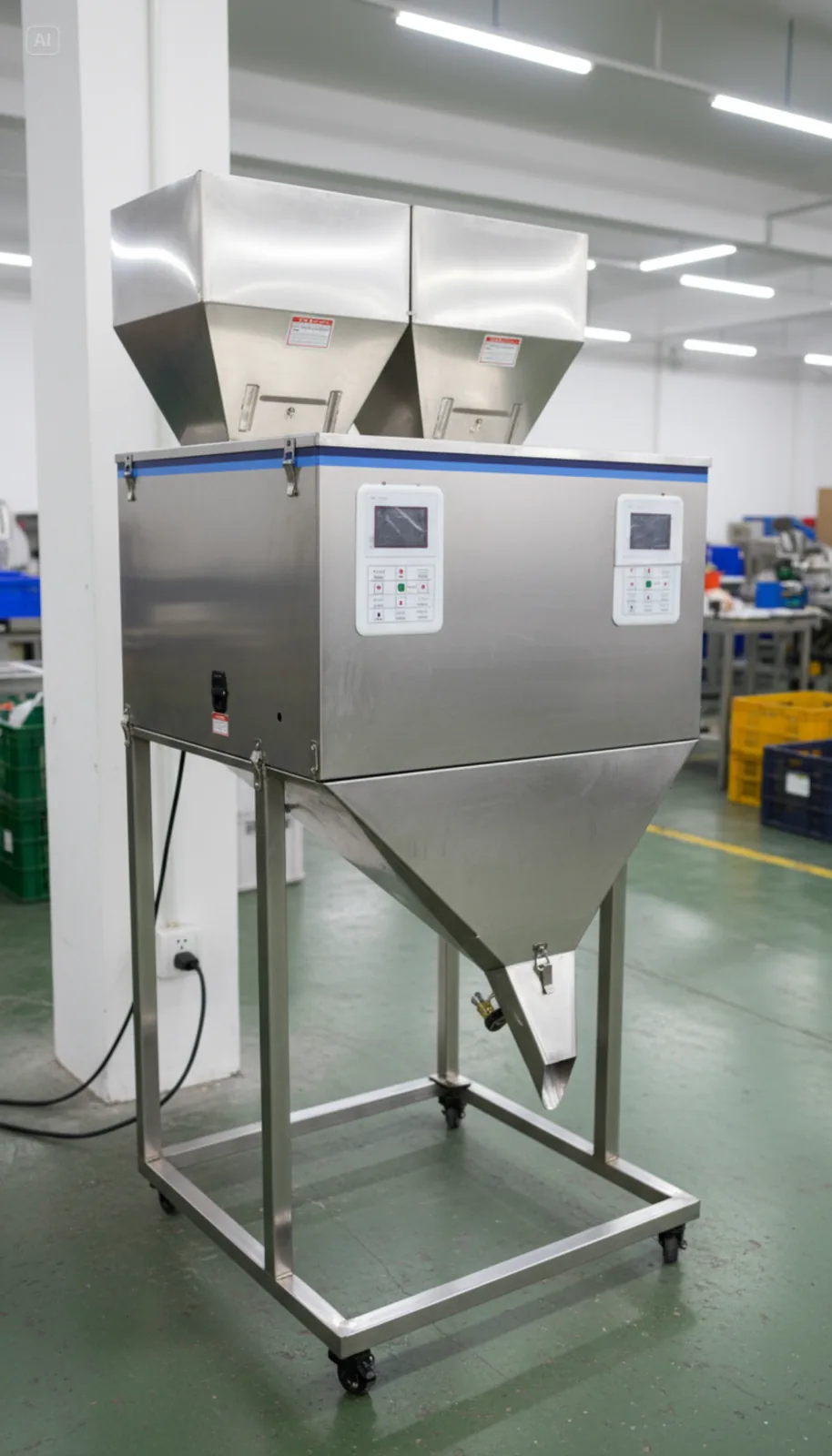
Each product page includes technical highlights, applications, enquiry prompts and a clean contact path so the site is ready to publish and use.
Combi weighers
Multi-head and combination weighing solutions for accurate portioning of dry products across a wide range of pack sizes.
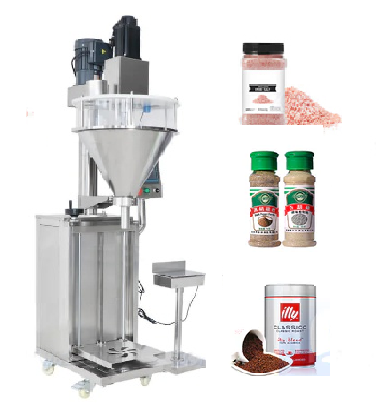
Auger filling
Controlled screw filling for powders such as spices, coffee, seasonings and other fine dry products.
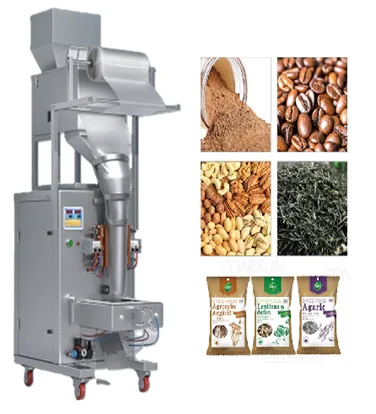
Vertical form fill and seal
Integrated bag-making and filling systems for coffee, powders, granules, nuts, tea and similar dry product lines.
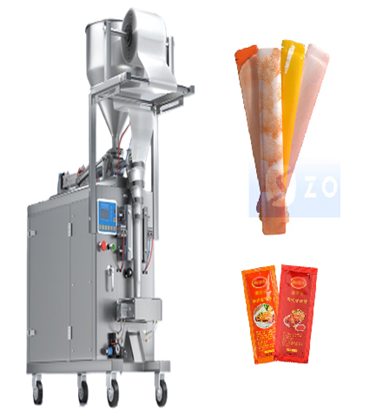
Liquid form fill and seal
Compact sachet and stick-pack equipment for liquids, gels and other flowable products requiring neat sealed packs.
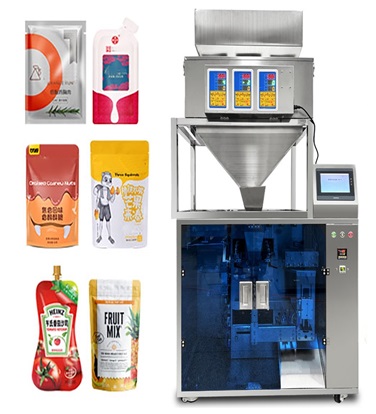
Pouch filling
Automatic pouch filling and sealing systems for pre-made pouches and stand-up packs across multiple product types.
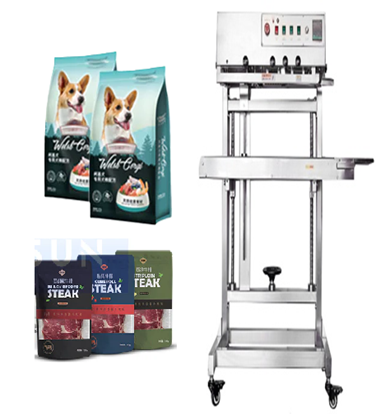
Pouch sealing
Dedicated pouch sealing equipment for finished packs where clean top seals and dependable presentation matter.
The supplied machine information already points to a strong range of end uses, from coffee and tea through to snacks, powders, chemicals and hardware.

Accurate dosing for powders, granules and dry blends.
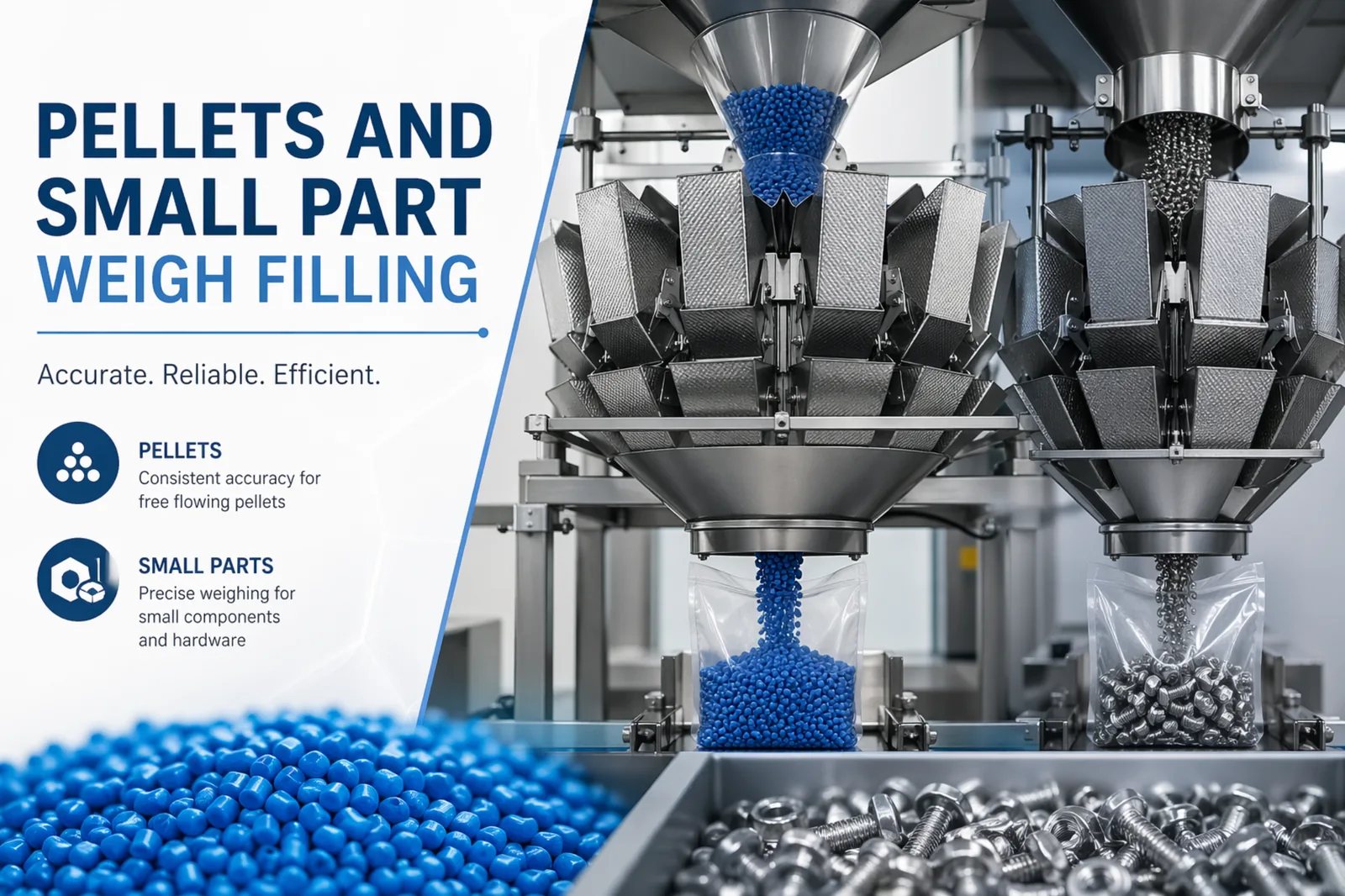
Consistent weighing for pellets, hardware and free-flowing components.

Flexible weighing and pack handling for snacks, treats and pet food lines.
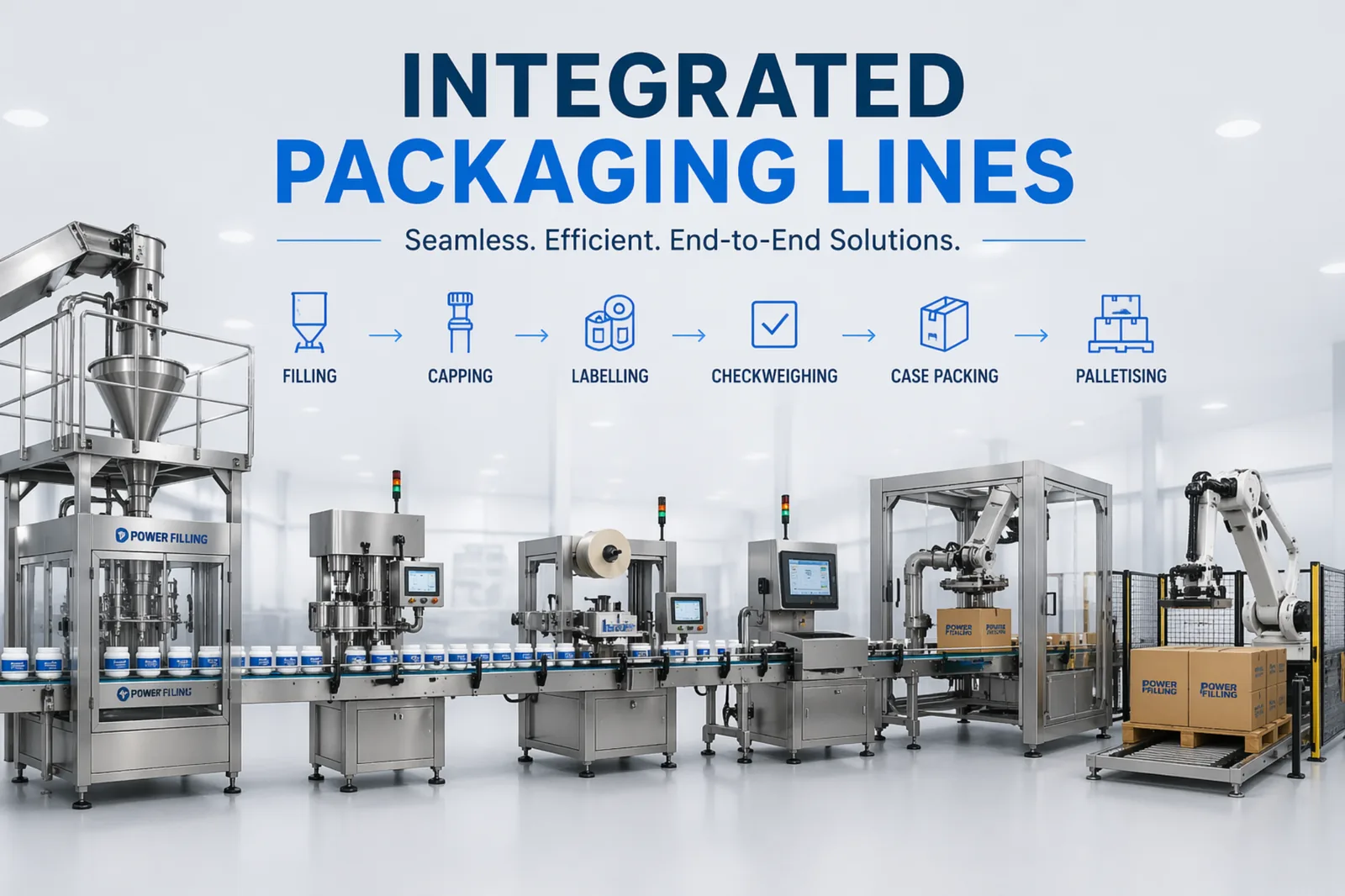
End-to-end filling, capping, labelling and case packing support.

Clean dosing for beans, tea, grains, mixes and similar dry products.

Reliable weighing for industrial powders, additives and hardware-related fills.
The supplied product pages consistently ask for a small set of application details. Repeating that workflow across the site makes it easier for buyers to enquire properly.
Product type, flowability and whether you are filling powders, granules, seeds, snacks or hardware.
Required fill weight, acceptable tolerance and pack size.
Pouch, jar, sachet, pre-made bag or downstream machine connection.
Target packs per minute, workspace limits and discharge height requirements.
These answers separate the weighing function from inspection, packing and line-control tasks so that the first technical conversation starts with the right scope.
No. A multihead weigher creates a target dose by combining portions held in several weigh hoppers. A checkweigher normally weighs a finished pack after filling to confirm whether it is within the agreed limits. The two machines can work in the same line, but they perform different jobs and should not be specified as substitutes.
Piece-counting may be possible only where the piece weight is sufficiently consistent and the selected system supports that operating method. For irregular components, weight remains the primary measurement and the relationship between weight and count must be proved with representative samples. The acceptable count variation should be stated before a trial.
Yes. A weigher can be ready to discharge but still wait for the bagger or pouch machine. Chute length, drop height, timing-hopper behaviour, pouch opening and the ready/dose-complete signal sequence can all affect sustainable line output and spill control. The complete line should therefore be assessed rather than quoting the weighing head in isolation.
A product trial is most useful before the machine configuration and commercial acceptance criteria are frozen. Use normal production product, the real target weights and the intended pack format. The trial should record weight results, product damage, retained product, waiting time and any interface issue that could change the recommendation.
Send the product, target weight, pack format and required output so Lancing can identify the right next step.
Ask LancingThe weighing principle is only one part of the decision. These project guides cover technology choice, model comparison, site preparation and the evidence needed to maintain the installed system.
Choose the dosing principle from product flow, bulk density, dust and target-weight evidence.
Review the verified source-page figures and the conditions that still need a product trial.
Plan access, support, utilities, product feed, controls and the packing-machine interface.
Use machine identity, condition and production evidence to prepare a practical support plan.
Lancing can use the same information to shortlist the technology and identify the next trial or integration step.
Request a project reviewSearchers usually want the shortest route from product type to the right machine. Powders often point toward auger filling machinery, while pellets and free-flowing products are more likely to suit combi weighers. Where one machine must form, fill and seal a bag, vertical form fill and seal systems become the stronger comparison.
For liquids and gels, start with liquid form fill and seal. For stand-up or pre-made packs, compare pouch filling and pouch sealing. The full guide explains how product flow, target dose, pack format and output change the right answer.
For fine powders and dry blends, auger filling is normally the first machine type to compare because it offers controlled screw dosing.
Combi weighers are usually more relevant for free-flowing pellets, granules and small components where accurate multi-head weighing is important.
Choose vertical form fill and seal when you need the machine to form the bag, fill it and seal it in one process.
Yes. The site covers integrated packaging work as well as individual filling systems, including capping, labelling and pouch handling.
A useful specification starts with the actual product, target weight and pack route. The weighing head, product distribution and downstream machinery must work as one process rather than as separate catalogue items.
Product is spread across the feed system before individual weigh hoppers collect portions. Flow consistency, piece size, dust, oil, static and fragility all affect how evenly the product reaches the hoppers and whether a standard, dimpled or otherwise application-specific contact surface should be considered.
The controller compares available hopper weights and selects a combination that approaches the target weight. The practical result depends on the number of usable portions, feeder control, target size and product behaviour. Accuracy and product giveaway should therefore be assessed under stated trial conditions, not from a headline figure alone.
The discharge route may feed a VFFS bagger, a timing hopper, a pre-made pouch machine or another downstream pack system. Drop height, pouch opening, bagger timing, signal exchange and finished-pack handling should be defined before the weighing head and supporting frame are finalised.
Send a representative sample from normal production, including the largest and smallest pieces where size varies. Lancing also needs the target weight, acceptable tolerance, expected packs per minute, pack dimensions, product-contact requirements and the proposed upstream and downstream equipment.
Start with the dedicated combination and multihead weigher page, review the machine selection guide, or see the wider application routes. For specialist linear and semi-automatic weighing routes, the related Lancing resource is Weigh Fillers UK.
Lancing Combiweigh is the combination and multihead weighing route within Lancing Ltd. A useful project brief separates the product window, the commercial weight objective and the downstream pack cycle so that the complete process can be assessed under repeatable conditions.
Provide the normal product together with the smallest, largest and most difficult pieces likely to reach the machine. Note coatings, oil, dust, static, temperature, fragility and any tendency to bridge, cling or separate. A sample that represents only the easiest batch can produce a misleading result.
State the legal or commercial target, permitted tolerance, current giveaway concern and required output. The trial should distinguish between an individual pack being inside tolerance and the overall process consistently controlling average weight and excess product.
Confirm whether the dose enters a VFFS bagger, a timing hopper, a pre-made pouch machine, a jar or another container. Opening size, drop height, product settling, seal-zone protection and the ready/dose-complete signal sequence should be included in the line review.
Ask for the machine configuration, product batch, settings, cycle count, mean, minimum and maximum weights, giveaway, rejects, visible damage, achieved line rate and cleaning or changeover observations. This allows the recommendation to be checked against agreed acceptance criteria.
Use the combination and multihead weigher page for the weighing head, the machine selection guide for the decision process, and the applications hub for product-led considerations. Where the enquiry is primarily about specialist powder dosing, VFFS film handling or a pre-made pouch machine, the relevant Lancing specialist site should own that detail.
Include target weight, tolerance, output, pack dimensions and the intended upstream and downstream equipment.
Request an application reviewThese guides extend the existing machine and application pages with focused help on product behaviour, technology selection, trials, line integration and the commercial factors that shape a specification.
Browse the complete technical and buyer-information resource centre.
Plan weighing around fragile pieces, irregular product flow and pouch or VFFS packing.
Compare combination weighing, linear weighing and auger dosing by product behaviour.
Define representative samples, measured results and acceptance criteria before purchase.
Understand how feed stability, available portions and settings affect excess product.
See which configuration, access, integration and project-scope decisions affect a quotation.
Lancing can review the product, target weights, pack format, output requirement and line interfaces before recommending a trial or configuration.
Request an application review